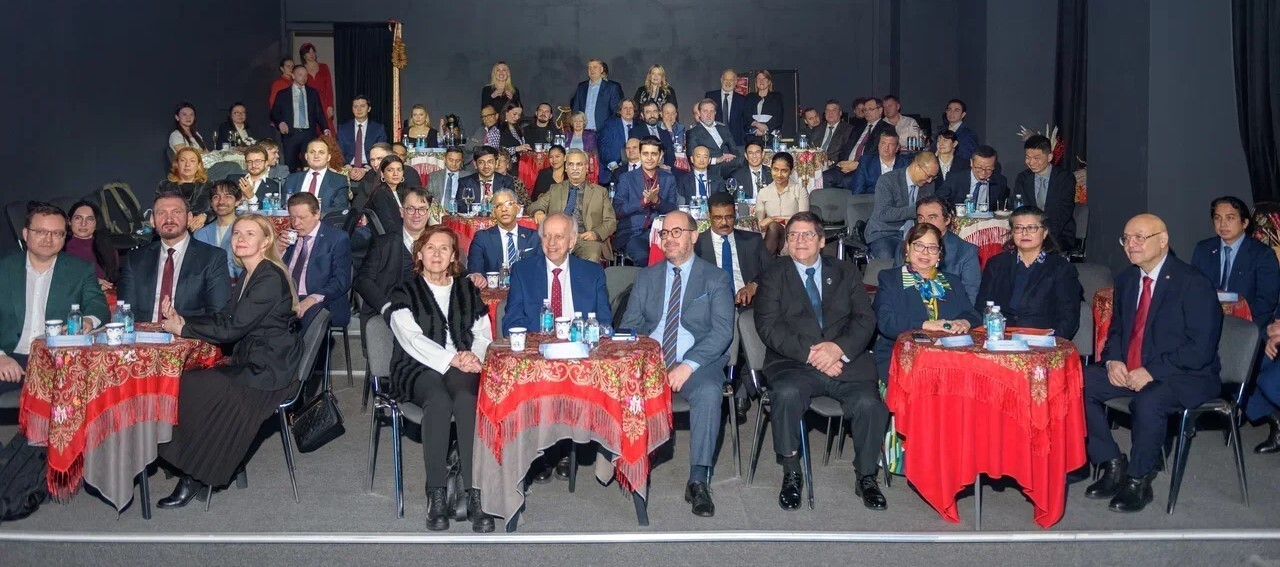
The Russian House of International Scientific and Technical Cooperation (RH ISTC) hosted a technological reception «Transport of the Future», dedicated to World Engineering Day on March 4, 2026. The event was organized by RH ISTC with the support of the Ministry of Foreign Affairs of the Russian Federation, the Ministry of Science and Higher Education of the Russian Federation, and the All-Russian Society of Inventors and Innovators.
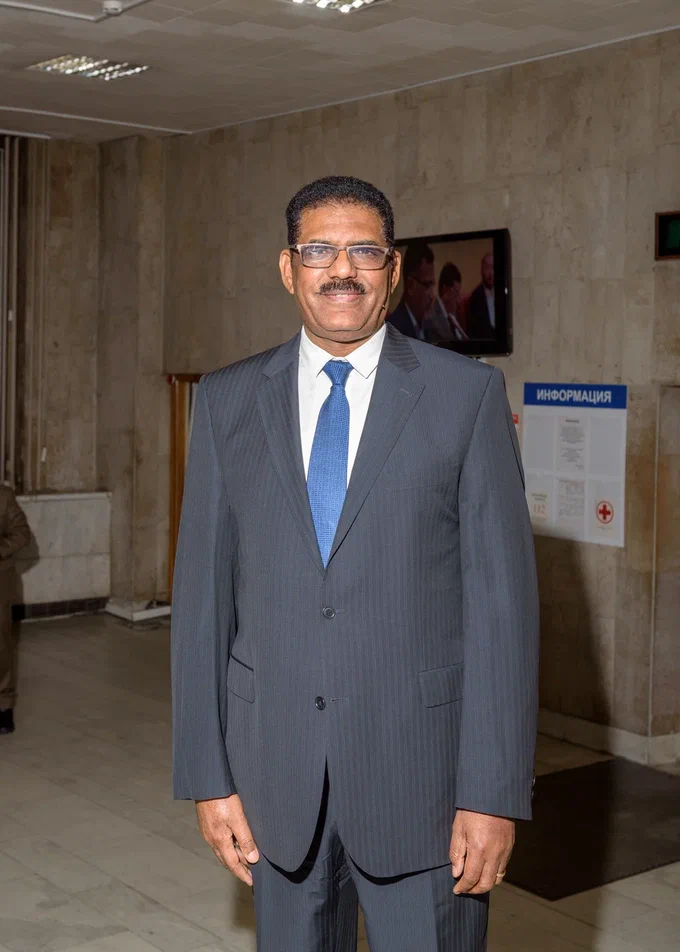
The event was attended by representatives of diplomatic missions from 26 countries across Latin America, Asia, and Africa, including five Ambassadors Extraordinary and Plenipotentiary from Honduras, Colombia, Nicaragua, Panama, and Ethiopia. Other participating countries included the Dominican Republic, Costa Rica, Peru, Mexico, Argentina, Venezuela, Colombia, Chile, Namibia, India, China, the Republic of Korea, Malaysia, Thailand, Sri Lanka, and others.
The event was attended by representatives of diplomatic missions from 26 countries across Latin America, Asia, and Africa, including five Ambassadors Extraordinary and Plenipotentiary from Honduras, Colombia, Nicaragua, Panama, and Ethiopia. Other participating countries included the Dominican Republic, Costa Rica, Peru, Mexico, Argentina, Venezuela, Colombia, Chile, Namibia, India, China, the Republic of Korea, Malaysia, Thailand, Sri Lanka, and others.
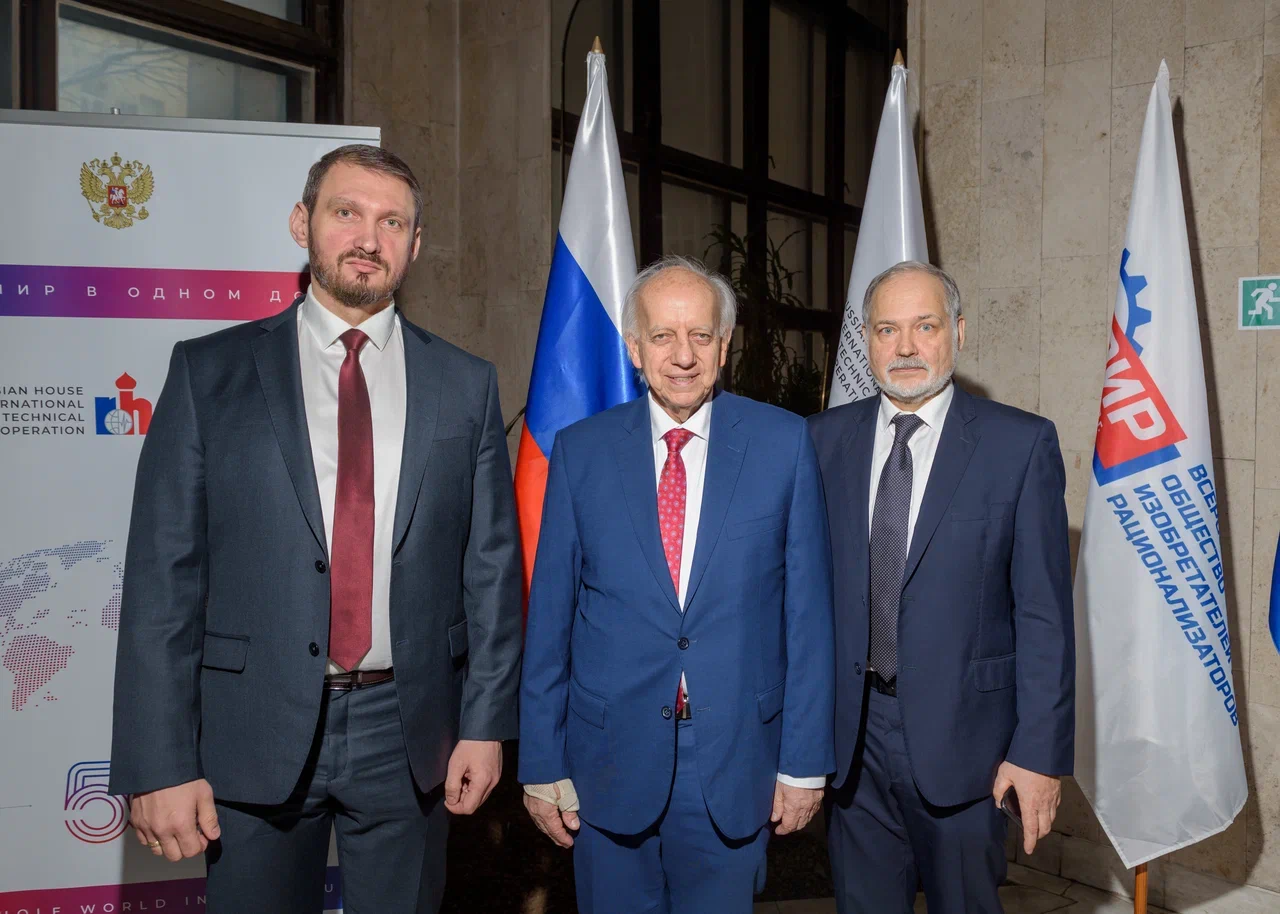
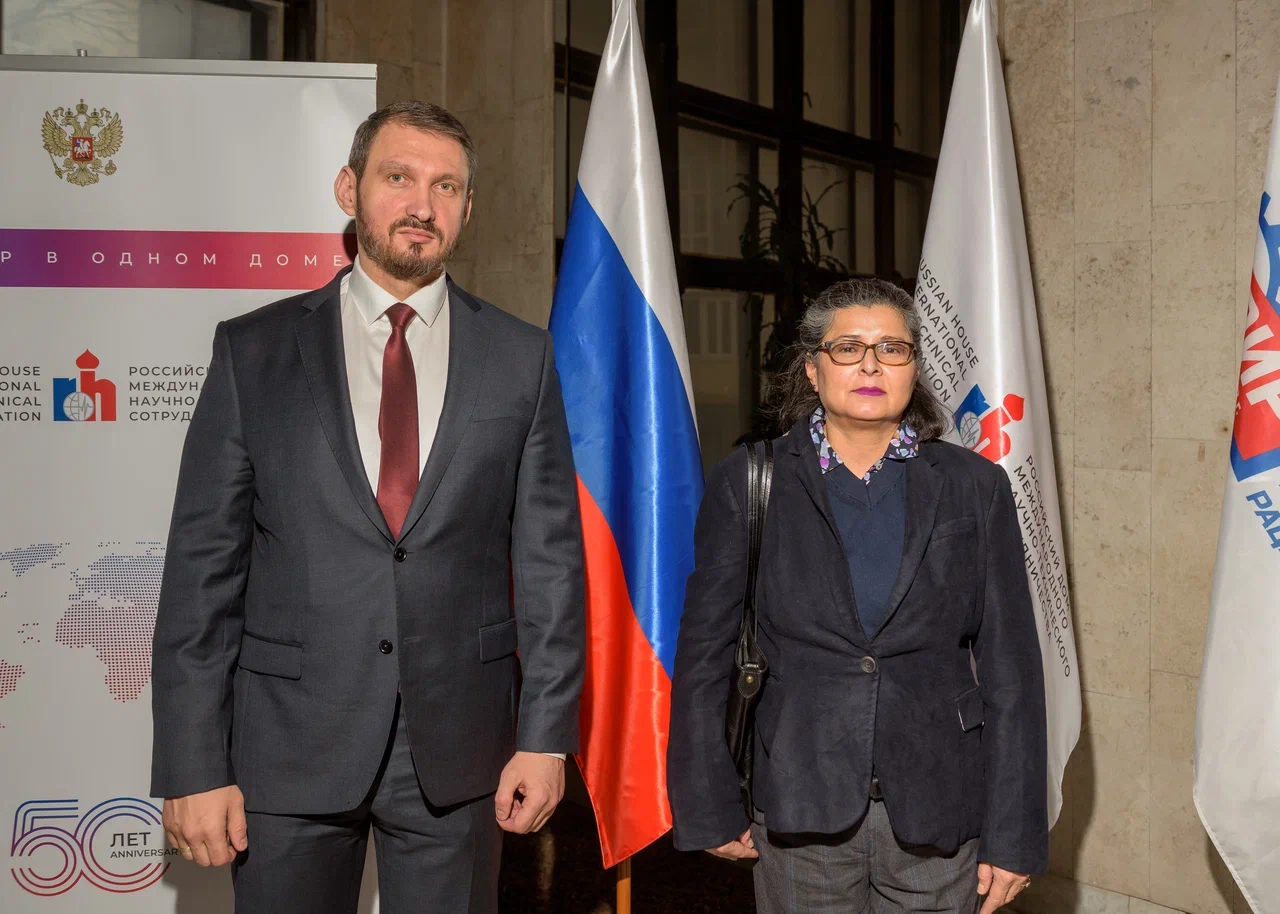
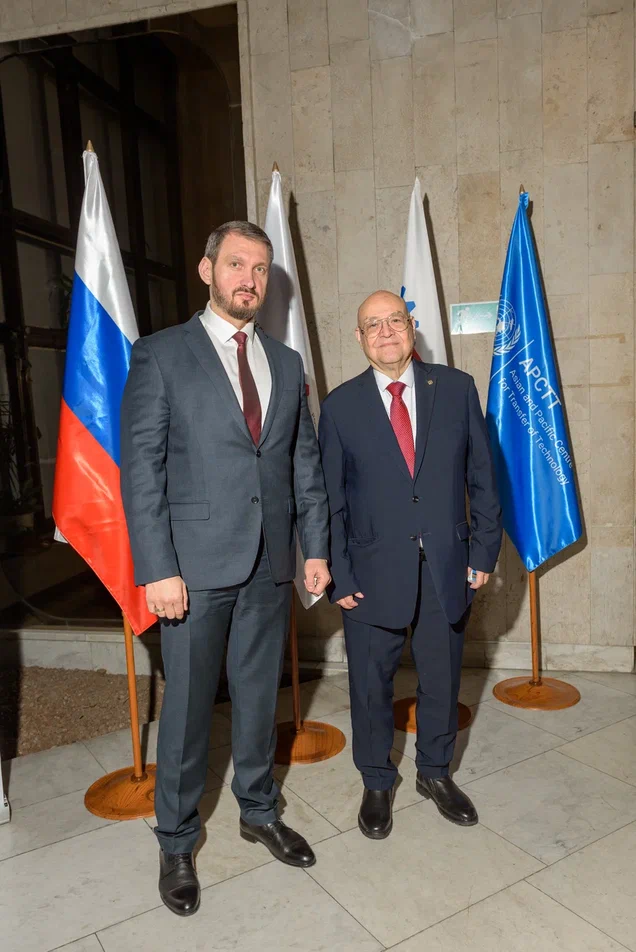
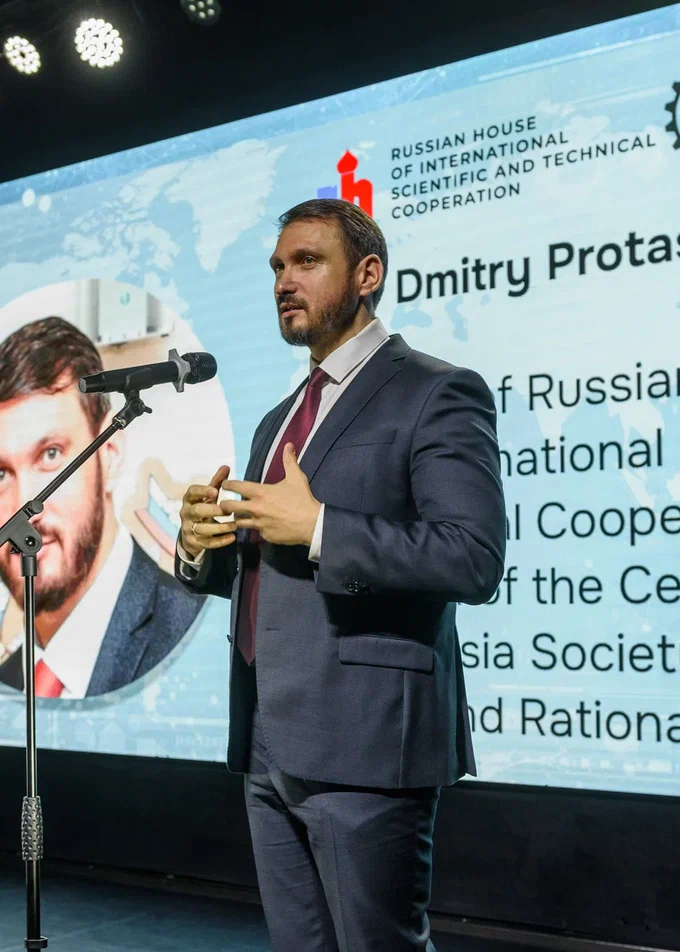
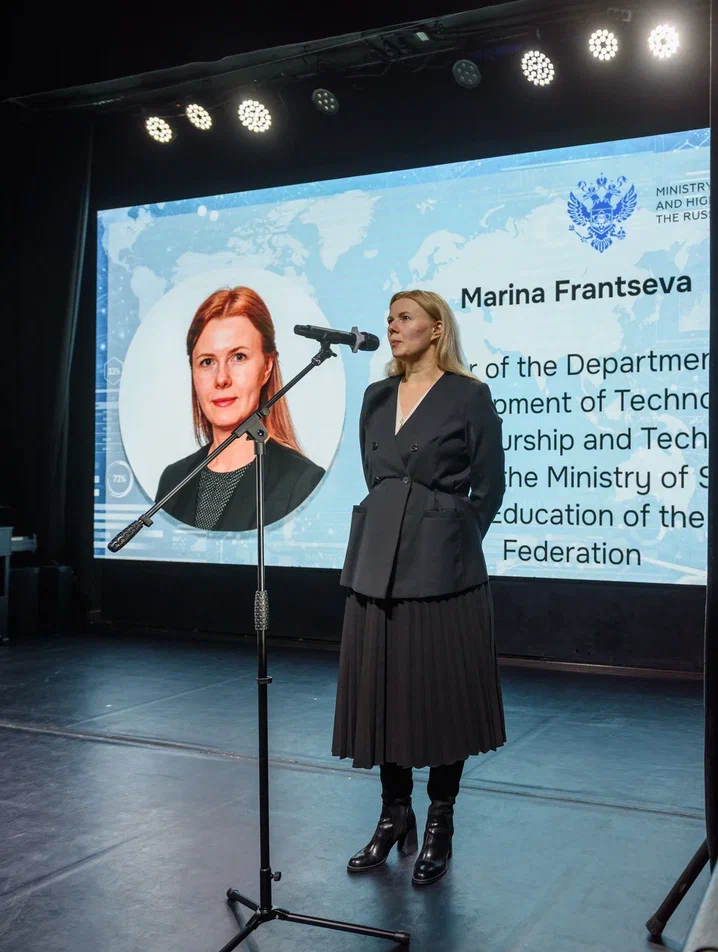
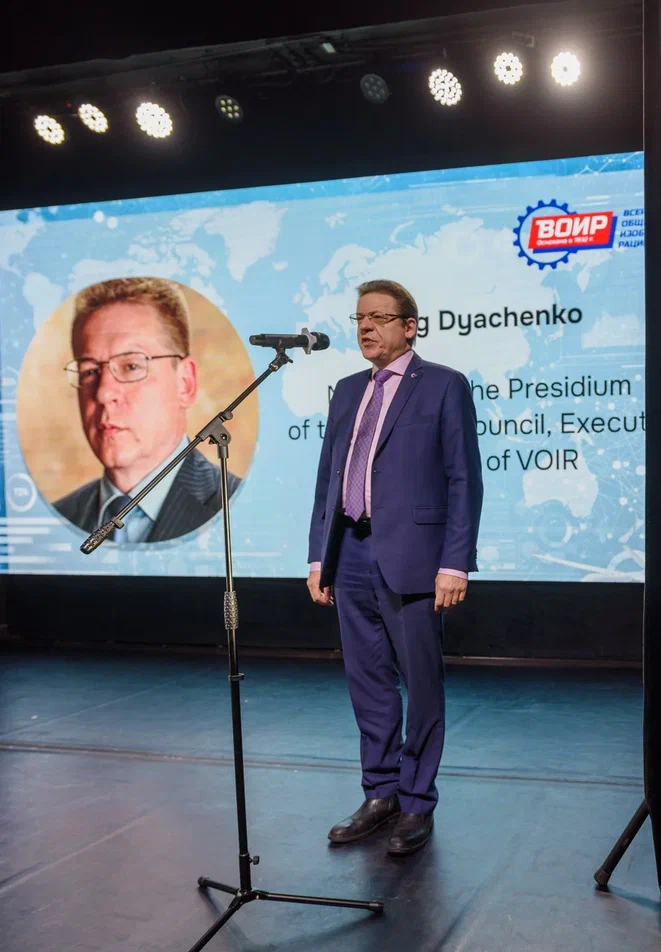
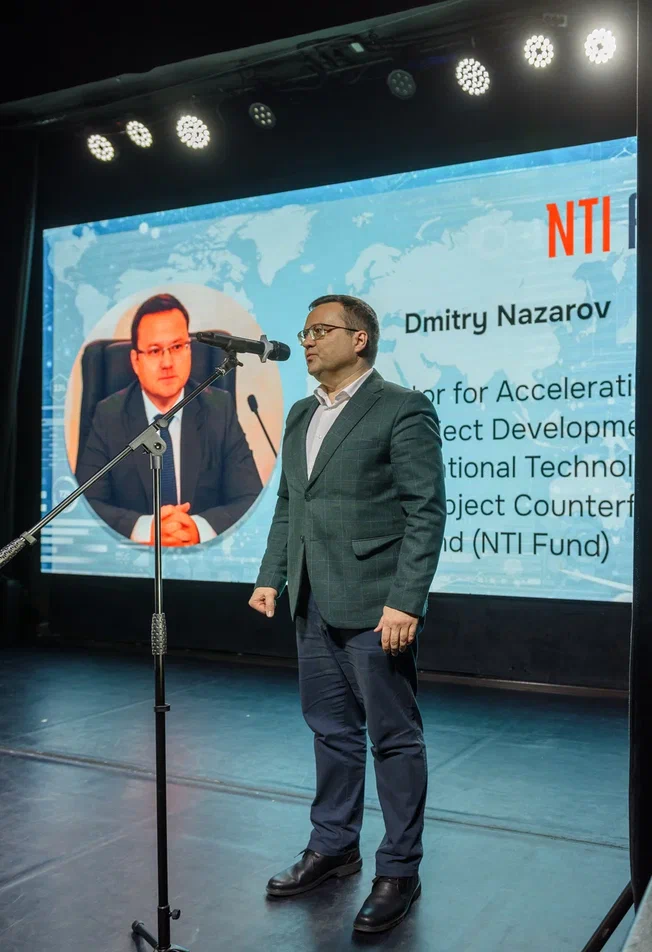
On the Russian side, welcoming remarks were delivered by Dmitry Protasovsky, Director General of RH ISTC; Marina Frantseva, Director of the Department for the Development of Technological Entrepreneurship and Technology Transfer of the Ministry of Science and Higher Education of the Russian Federation; Dmitry Nazarov, Director for Acceleration and Project Development of The National Technology Initiative Project Counterfeiting Fund (NTI Fund); and Oleg Dyachenko, Member of the Presidium of the Central Council, Executive Director of VOIR.
«Today, our task is to open new areas of cooperation where Russian developers can directly present their technologies to international partners. RH ISTC is actively working in this direction, developing new approaches to promoting technologies, high-tech services, and projects, and we hope this will lead to concrete business cooperation», noted Dmitry Protasovsky.
«Today, our task is to open new areas of cooperation where Russian developers can directly present their technologies to international partners. RH ISTC is actively working in this direction, developing new approaches to promoting technologies, high-tech services, and projects, and we hope this will lead to concrete business cooperation», noted Dmitry Protasovsky.
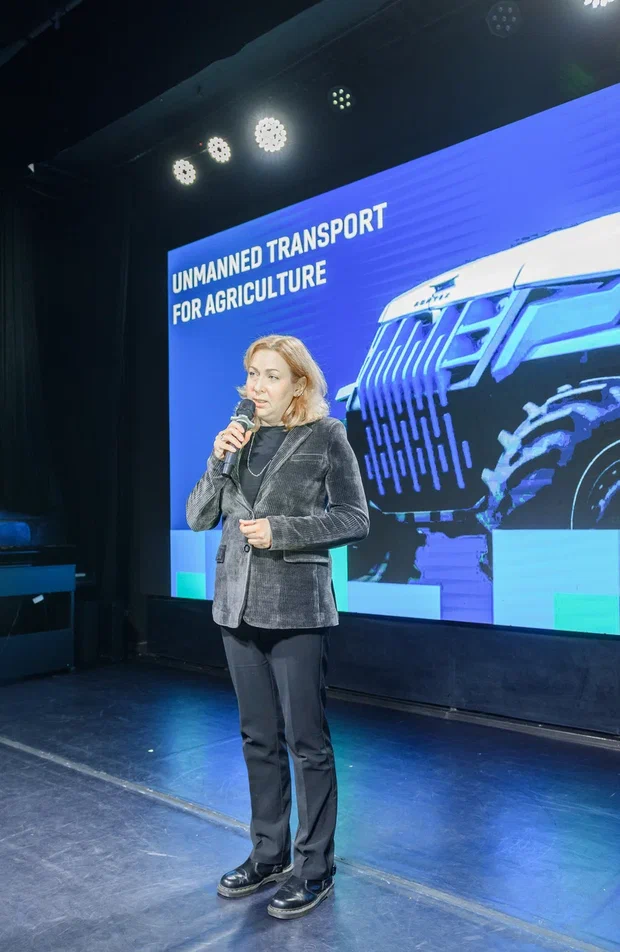
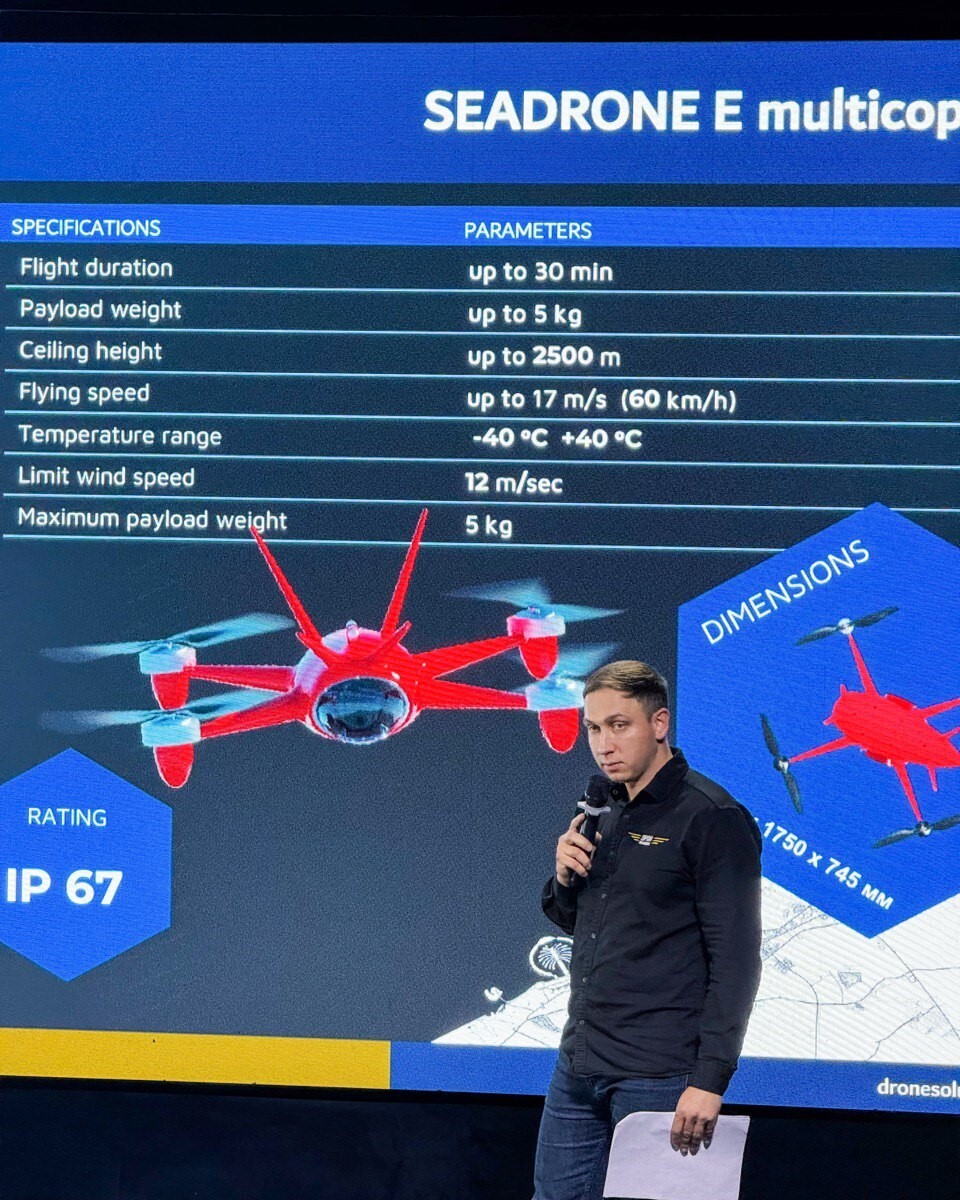
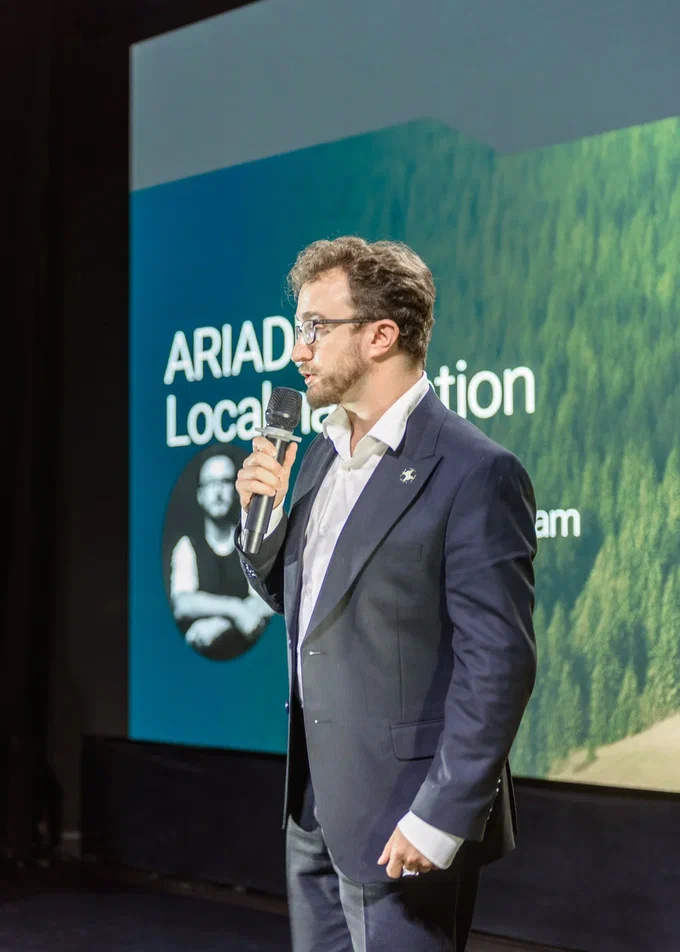
The central part of the program was the thematic session «Transport of the Future». Pavel Sirotin, Deputy Director for Research and Educational Activities of Federal State Budgetary Educational Institution of Higher Education «Don State Technical University», presented an unmanned tractor project featuring hybrid and electric propulsion, with plans for localized mass production by 2030. Vyacheslav Barbasov, CEO of Dron Solutions LLC, spoke about a range of Russian long-range unmanned aerial systems and implemented projects in environmental monitoring and aerotelemedicine. Evgeny Mandelshtam, CEO of IMMERSE LLC, presented the Ariadna local navigation system for drones based on ultra-wideband radio navigation.
«Don State Technical University» (DSTU) presented educational programs for training engineers to foreign missions, focusing on key areas for the agro-industrial sector and high technologies. In the context of unmanned transport for agriculture, programs in agricultural engineering, robotics, and artificial intelligence were highlighted. Alina Vinitskaya, Head of the International Partnership Development Office at DSTU, demonstrated the potential of Russian engineering schools in workforce training and applied research. This opens additional opportunities for academic cooperation, exchange of experience, and the implementation of joint educational programs with other countries.
«Don State Technical University» (DSTU) presented educational programs for training engineers to foreign missions, focusing on key areas for the agro-industrial sector and high technologies. In the context of unmanned transport for agriculture, programs in agricultural engineering, robotics, and artificial intelligence were highlighted. Alina Vinitskaya, Head of the International Partnership Development Office at DSTU, demonstrated the potential of Russian engineering schools in workforce training and applied research. This opens additional opportunities for academic cooperation, exchange of experience, and the implementation of joint educational programs with other countries.
The broad geographic participation confirmed strong international interest in Russian engineering and technological developments, whose traditions have been shaped over centuries and trace back to outstanding Russian engineers and inventors. Today, the development of advanced technologies and the implementation of innovative solutions are key components of national priorities and the Strategy for Scientific and Technological Development of the Russian Federation.
The format of the technology reception, combining presentations, demonstrations, and informal networking, proved especially effective. After the official part, ambassadors and diplomats were able to speak directly with developers, discussing practical issues such as cost, implementation timelines, and the adaptability of solutions to their countries’ conditions. For many delegations, the meeting provided an opportunity to compare national programs with Russian technologies and identify potential entry points for cooperation.
The event served as a platform for discussing prospects for cooperation in implementing Russian transport technologies and joint scientific and technical projects with international partners.
The format of the technology reception, combining presentations, demonstrations, and informal networking, proved especially effective. After the official part, ambassadors and diplomats were able to speak directly with developers, discussing practical issues such as cost, implementation timelines, and the adaptability of solutions to their countries’ conditions. For many delegations, the meeting provided an opportunity to compare national programs with Russian technologies and identify potential entry points for cooperation.
The event served as a platform for discussing prospects for cooperation in implementing Russian transport technologies and joint scientific and technical projects with international partners.