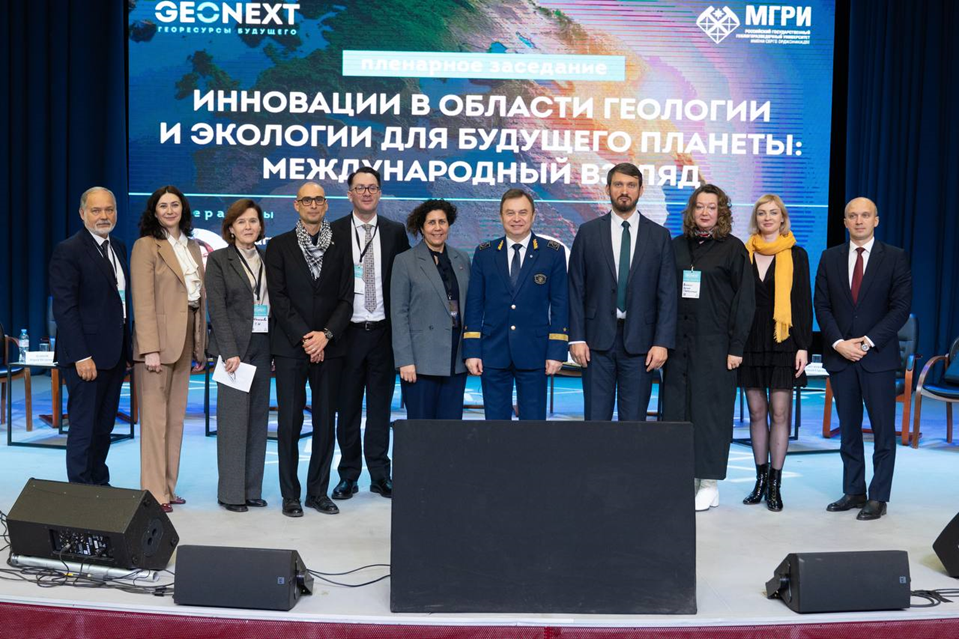
The forum addressed current challenges and innovative solutions in the fields of subsoil use and ecology. Key topics included the implementation of advanced technologies for environmental protection, workforce development issues, and other pressing concerns.
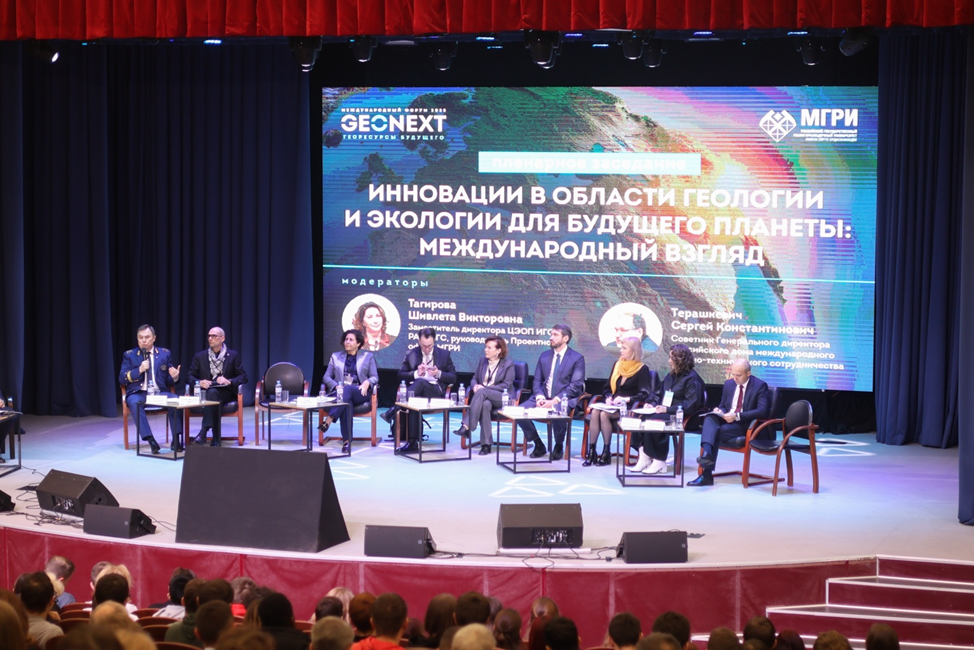
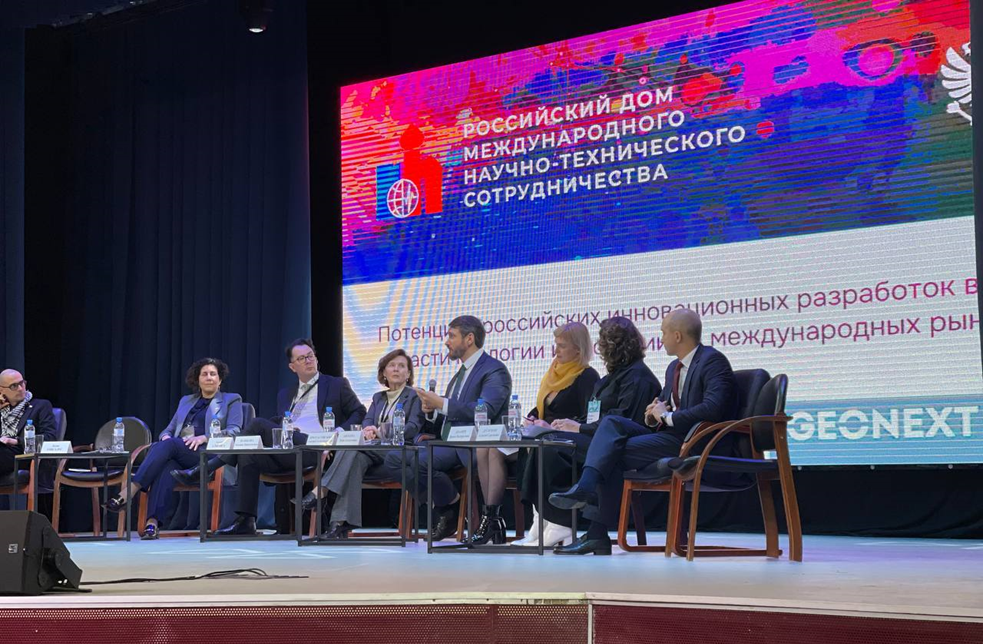
One of the central events of GEONEXT was the plenary session «Innovations in Geology and Ecology for the Planet’s Future: An International Perspective», which brought together leading experts in international scientific and technical cooperation:
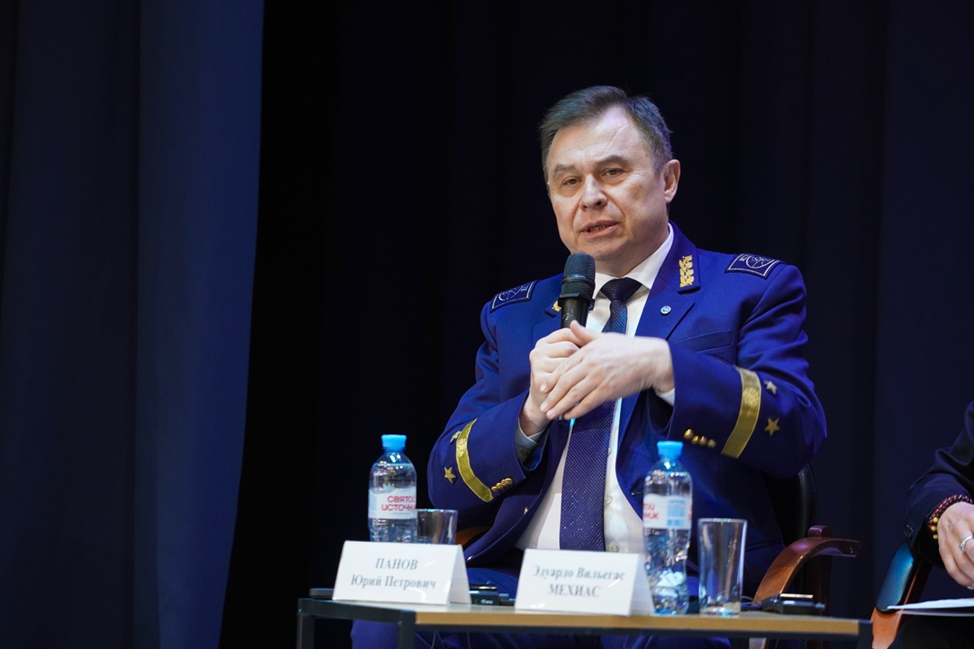
1.Yuri Panov, Rector of Sergei Ordzhonikidze Russian State University for Geological Prospecting;
2.Eduardo Villegas Mejías, Extraordinary and Plenipotentiary Ambassador of the United Mexican States to the Russian Federation, concurrently accredited to the Republic of Armenia and the Republic of Belarus;
3.Laliya Concepción González Cornelio, Counselor-Envoy of the Embassy of the Dominican Republic in the Russian Federation;
4.Anders Fabian Alcayaga Cáceres, Counselor of the Embassy of the Republic of Chile in the Russian Federation;
5.Pianos Gweme, Acting Director General, National Geospatial and Space Agency of Zimbabwe;
6.Dr. Ban To, Dean of the Faculty of Earth Sciences and Geoengineering, Hanoi University of Geology and Mining;
7.Tatyana Mashkova, General Director, National Committee for Economic Cooperation with Latin American Countries; Executive Director, Russia-Venezuela Business Council;
8.Alexey Desyatkin, General Director, JSC «Zarubezhgeologiya»;
9.Dmitry Protasovskiy, General Director, Russian House of International Scientific and Technical Cooperation; Chairman of the Council for International Activities of VOIR;
10.Emma Anokhina, Commercial Director, “NIPPI ET Energotransproject”;
11.Irina Ananich, Deputy Head, Director for International Cooperation, Russian Energy Agency (REA), Ministry of Energy of the Russian Federation.
1.Yuri Panov, Rector of Sergei Ordzhonikidze Russian State University for Geological Prospecting;
2.Eduardo Villegas Mejías, Extraordinary and Plenipotentiary Ambassador of the United Mexican States to the Russian Federation, concurrently accredited to the Republic of Armenia and the Republic of Belarus;
3.Laliya Concepción González Cornelio, Counselor-Envoy of the Embassy of the Dominican Republic in the Russian Federation;
4.Anders Fabian Alcayaga Cáceres, Counselor of the Embassy of the Republic of Chile in the Russian Federation;
5.Pianos Gweme, Acting Director General, National Geospatial and Space Agency of Zimbabwe;
6.Dr. Ban To, Dean of the Faculty of Earth Sciences and Geoengineering, Hanoi University of Geology and Mining;
7.Tatyana Mashkova, General Director, National Committee for Economic Cooperation with Latin American Countries; Executive Director, Russia-Venezuela Business Council;
8.Alexey Desyatkin, General Director, JSC «Zarubezhgeologiya»;
9.Dmitry Protasovskiy, General Director, Russian House of International Scientific and Technical Cooperation; Chairman of the Council for International Activities of VOIR;
10.Emma Anokhina, Commercial Director, “NIPPI ET Energotransproject”;
11.Irina Ananich, Deputy Head, Director for International Cooperation, Russian Energy Agency (REA), Ministry of Energy of the Russian Federation.
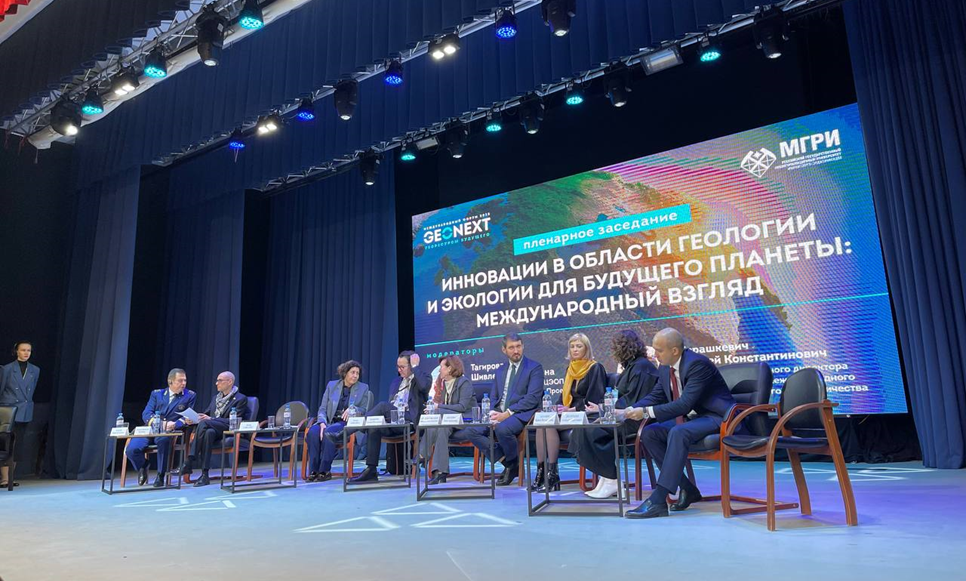
Opening the plenary session, Rector Yuri Panov emphasized the importance of sustainable development, from mineral exploration to waste management, and highlighted the university’s commitment to environmental preservation: «We represent the entire sustainable development chain: from mineral exploration to waste management. We take responsibility for preserving the ecology of our country and the planet. Our students come from 52 countries, which demonstrates the university’s global standing and authority in the educational market. Today, we will discuss issues that concern different countries. The problems are common, so we must jointly seek solutions».
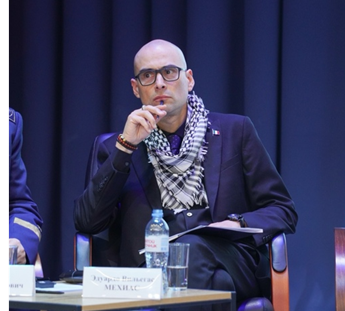
Extraordinary and Plenipotentiary Ambassador of the United Mexican States Eduardo Villegas Mejías noted that geology and ecology are becoming key sciences for sustainable development amid climate change, dwindling water resources, and increasing demand for clean energy: «This forum unites talented experts to preserve the wealth and beauty of our Earth. Geology and ecology are now essential for sustainable development. We see how climate is changing, water resources are shrinking, and demand for clean energy is growing. The need for international cooperation is also increasing. The greatest wealth is people and their desire to make the world better. Innovation is not just technology—it is new thinking. We must see the Earth not as a source of raw materials, but as a source of development».
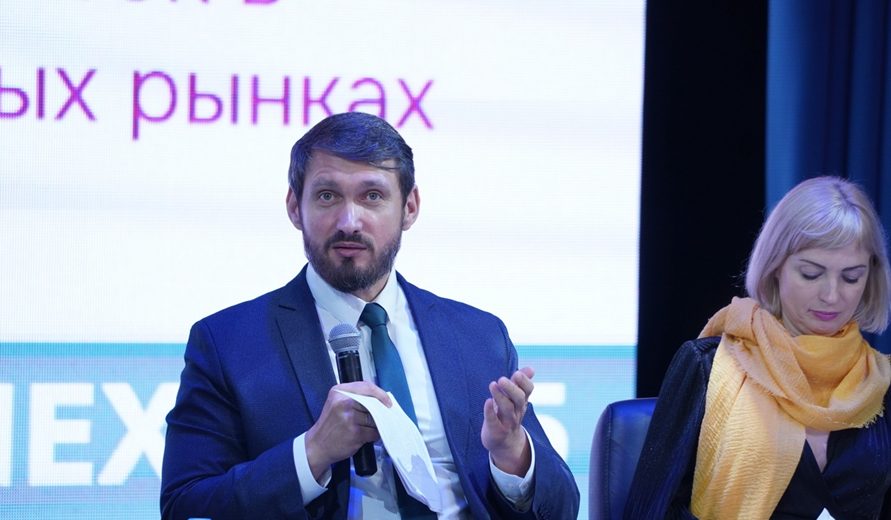
During his speech, Dmitry Protasovskiy pointed the importance of young specialists and students recognizing their role in advancing science and technology, as well as the necessity of their active participation in international cooperation and solving global challenges in geology and ecology: «Our main participants today are young geologists. They are the future of our science, future researchers, those who will develop and promote technological solutions in Russia and abroad, demonstrating our leadership in the industry».
Additionally, the RH ISTC General Director highlighted opportunities for promoting Russian-developed technologies, which the Russian House of International Scientific and Technical Cooperation is already advancing abroad, and products that serve as the basis for international cooperation.
Additionally, the RH ISTC General Director highlighted opportunities for promoting Russian-developed technologies, which the Russian House of International Scientific and Technical Cooperation is already advancing abroad, and products that serve as the basis for international cooperation.
At the plenary session «Innovations in Geology and Ecology for the Planet’s Future: An International Perspective», Tatyana Nikolaevna Mashkova, General Director of the National Committee for Economic Cooperation with Latin American Countries (NK SESLA), addressed forum participants and specifically Sergei Ordzhonikidze Russian State University for Geological Prospecting, proposing mutually beneficial and promising cooperation between Russia and Latin American countries in mining, subsoil use, geological exploration, and ecology. Tatyana Nikolaevna suggested establishing the Latin American Consortium of Subsoil—a voluntary association of higher education institutions, government bodies, specialized companies, and public organizations aimed at supporting sustainable development in Latin America and Russia.
«Latin America and the Caribbean are one of the key regions on the global environmental agenda. The region contains 50% of the planet’s tropical forests, 40% of global biodiversity, 30% of the world’s freshwater reserves, and the largest area of Amazon rainforest ecosystems.
Most Latin American countries are interested in effective geological exploration and the creation of modern maps to develop their national economies.
In RH ISTC view, the Consortium could ensure a unified approach to training highly qualified specialists for the mineral and raw materials sector, identify key trends in Latin American integration processes, implement programs for socio-cultural exchange between Russia and Latin American countries, and, importantly, help create a positive and adequate image of Russian-Latin American cooperation—truly high-tech and future-oriented».
Dmitry Protasovskiy, General Director of the Russian House of International Scientific and Technical Cooperation, supported Tatyana Mashkova’s initiative, proposing to use RH ISTC as the foundational platform for assembling this consortium.
«Latin America and the Caribbean are one of the key regions on the global environmental agenda. The region contains 50% of the planet’s tropical forests, 40% of global biodiversity, 30% of the world’s freshwater reserves, and the largest area of Amazon rainforest ecosystems.
Most Latin American countries are interested in effective geological exploration and the creation of modern maps to develop their national economies.
In RH ISTC view, the Consortium could ensure a unified approach to training highly qualified specialists for the mineral and raw materials sector, identify key trends in Latin American integration processes, implement programs for socio-cultural exchange between Russia and Latin American countries, and, importantly, help create a positive and adequate image of Russian-Latin American cooperation—truly high-tech and future-oriented».
Dmitry Protasovskiy, General Director of the Russian House of International Scientific and Technical Cooperation, supported Tatyana Mashkova’s initiative, proposing to use RH ISTC as the foundational platform for assembling this consortium.
Reference:
The Second International Geological Forum «GEONEXT 2025: Education, Technologies, Sustainable Development» took place on October 20–21 at the Sergei Ordzhonikidze Russian State University for Geological Prospecting. The forum featured two days of thematic sessions, including plenary meetings, roundtables, and thematic sessions on innovations in geology, resources, and ecology, as well as workforce development in the mining and geological sector.
The Second International Geological Forum «GEONEXT 2025: Education, Technologies, Sustainable Development» took place on October 20–21 at the Sergei Ordzhonikidze Russian State University for Geological Prospecting. The forum featured two days of thematic sessions, including plenary meetings, roundtables, and thematic sessions on innovations in geology, resources, and ecology, as well as workforce development in the mining and geological sector.